20 Reasons Why Coffee Drip Machine Will Never Be Forgotten
How to Properly Operate a Coffee Drip Machine There are a variety of ways to create a delicious cup, but a drip maker is among the most sought-after. These machines depend on gravity and hot water to extract oils, flavors and caffeine from beans that have been ground. The best drip coffee makers feature precise temperature control to achieve the ideal brewing temperature, which are critical for the extraction of flavor. They also let you choose a filter that can enhance or soften specific coffee characteristics. Temperature Control A drip coffee maker automates part of the manual pour over process, making it an attractive choice for those who want to make their brewing process easier. It includes a filter basket, carafe and showerhead that are in sync to ensure optimal extraction of flavor compounds. To ensure that the coffee tastes fresh, it's essential to maintain the ideal temperature. A heating element inside the coffee maker is responsible for making sure that the reservoir of water is at the correct temperature to make coffee. The ideal temperature is 195 to 205 degF. The water that is heated is sent to the filter basket which is where it starts to drip over the coffee grounds and begins the process of brewing. The showerhead spreads hot water evenly over the coffee grounds to help it agitate and ensure that all of the flavors are extracted from the coffee grounds. This is why it's important to choose a model that has an expansive showerhead that provides steady distribution and stirring. A wider head can also help to prevent overflow and a sludge buildup. Modern drip machines feature the ability to control temperature, which lets you set the temperature of the water that is brewed to a specific level. This feature allows you to optimize the brewing temperature for your specific location, taking into consideration that the boiling point of water is lower at higher elevations. Some models allow you to adjust the bloom time or the duration at which the grounds are exposed hot water. This is crucial to get the most flavorful coffee beans, since it allows you to better leverage the potential of each bean. If you want your coffee drip machine to function at its best, choose a model that has an adjustable brew setting and a self-cleaning mode, and a reusable paper filter. This will save you money over buying single-use ones. Some models come with a programmable clock that allows you to prepare your coffee at the right time. This is a great option for those with busy schedules or who frequently forget about things like breakfast. Brewing Method The drip coffee maker is a favored in many coffee shops and in homes because of its simplicity. You simply add ground coffee, water and press a button and the machine takes care of the rest. You can also choose from a range of settings for brewing strength, from mild to strong. One of the most important aspects of great drip coffee is the coffee-to-water ratio. The best method to determine the right amount of each component is to utilize an appropriate scale. You can alter the proportion to suit your taste. The general rule is two tablespoons per six ounces. You can use measuring cups instead of a scale if you don't own one. Just make sure you use water that has been filtered or bottled for the best flavor. drip brew brewing process begins with the reservoir filling with water, typically around 195-205 degrees Fahrenheit. Once the water reaches this temperature, it's transferred to showerheads that spray evenly over the coffee grounds in the filter basket. The hot water passes through the grounds, taking in their flavors and aromas before slowly dripping into the carafe below. This process typically takes several minutes and the coffee is ready to serve. Melitta Benedt, a homewife in the early 20th century created the Melitta Filter to brew drip coffee by hand. This method requires more care and skill, but it allows for greater control over the brewing process which results in an enhanced taste. Hand drip lets you experiment with different water temperatures and grind sizes. Small portions of coffee can ensure consistency and prevent over-extracting. Pour just a little (about 1 tablespoon) of water on the grounds prior to using the manual pour over device. This will allow them to bloom, or expand and release gasses. Once the grounds are covered, pour the water slowly in a spiral direction stopping for a brief moment to maintain the flow. Grind Size The size of the grind in your coffee drip machine is one of the most important factors in making a great cup of drip coffee. The size of the grind affects the surface of your coffee grounds and how water extracts flavors and compounds. A properly-sized grind size can prevent under- or overextraction, which could result in bitter, weak coffee. The ideal grind size for your drip coffee maker will rely on a variety of variables such as the brew method and the type of filter used. A medium grind is typically suitable for all filters and drip coffee makers. However there are exceptions and various manufacturers recommend a specific grind size according to their design. The Kalita Wave, for example, uses a flat-bottom filter that calls for medium coarse grind while pour-over brewers utilize paper filters, which call for a finer grind. Cold brew coffee is brewed by submerging the ground beans in water for a lengthy period of time which requires a coarser grind. In addition to determining the best grind size for your drip coffee maker, you must also think about the amount of cups you'll need to brew. Drip coffee machines come in a variety of sizes, from single-serve models to carafe versions that can make up to 12 cups at once. It is also important to consider your countertop space when you choose the right drip coffee maker. To get the best results, you should follow the manufacturer's recipe for brewing when using your drip coffee maker. This will ensure that your coffee is brewed using the right ratio of water and grounds, to the exact amount of time needed to extract the desired flavor. Don't be afraid to try out your drip coffee maker and the settings it uses. Learning the best settings and what doesn't work will help you make the most of your drip coffee maker. You'll be able to enjoy an excellent cup of espresso every time. Cleaning Cleaning your coffee drip machine can help preserve the flavor and freshness. This stops the accumulation of mineral deposits which can impact the machine's operation and the quality of the brewed drink. After every use the drip machine must be cleaned, and any parts that can be removed should be washed by using warm soapy water. This includes the lid of the carafe as well as any other parts that are removable. A deep cleaning should be done every 3 to 6 months to help remove the buildup of minerals. The majority of coffee makers have an automatic cleaning cycle built into the machine. It will run vinegar through the system and then clean thoroughly with water. This is a great method to clean your coffee maker without the need to disassemble it or scrub. Some machines come with a clean button that will automatically initiate a vinegar and water cleaning cycle. It is important to remove the lid, carafe and filter basket prior to starting any cleaning process. Also, ensure that your coffee maker is disconnected from any source of power. Next, you should empty the water reservoir and wash any removable parts in the sink using mild soap. If the parts you are removing are marked dishwasher-safe, you can also wash them in the dishwasher. 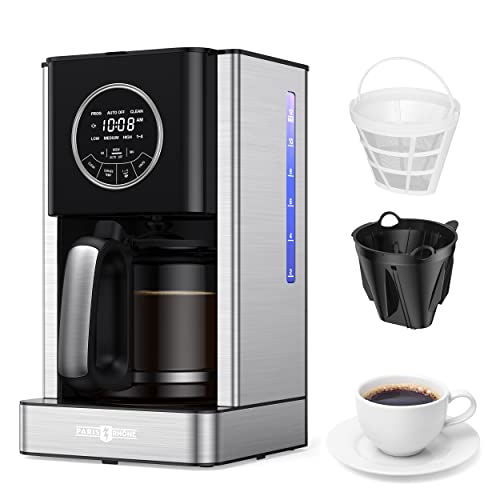 It is important to allow the parts that are removable dry completely before assembling your machine. The absence of moisture could cause mold and bacterial growth which could alter the flavor of your next coffee. To ensure there is no moisture left behind, use a clean towel like these whimsical cotton towels from Anthropologie to dry the components. It is not recommended to use scented soaps on the coffee maker since they may leave an unpleasant smell. The best cleaning solution for a drip coffee machine is white vinegar which can be effective in breaking down grime and removing any unpleasant smells or tastes from the machine. If you prefer an approach that is more natural mixing baking soda and water will also work as an alternative cleaner.